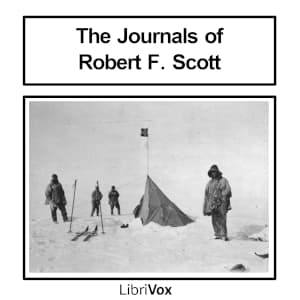
Journals of Robert Falcon Scott; Volume 1 of 'Scott's Last Expedition' (Version 2), The by Robert Falcon Scott (1868 - 1912)
Captain Scott’s ill-fated journey to the Antarctic Pole in 1911 is part triumph, part tragedy – but also a mythic adventure story which has inspired books, articles, and films over the generations. As so often in such cases the ‘truth’ of the explorers’ experiences (and there were many important figures in the party besides Scott) is much more rich, varied, and fascinating than the boy scout stereotype. Few know for example how much time during the many months of the journey were spent in scientific researches which remain of huge value to this day. But what comes across most vividly in Scott’s fascinating and finally very moving diary account is the complexity of the man and his closest comrades who reached the Pole fatally too late (the Norwegian Amundsen has beaten them to it by many weeks), then died trekking home, facing tortuous weather conditions, dwindling food supplies, and that gnawing, bitter sense of defeat. Ironically Robert Falcon Scott is now far more famous than Amundse
